What is AIIP?
The Apollo II program was a manned spaceflight to the moon led by NASA, which aimed to transport three astronauts to the moon by launching rockets by October 1984. Unlike in the past, the United States will aim to build the first long-term residence base on the moon for astronauts. It is foreseeable that the gap between us and the Soviets in the field of the moon landing will become wider and wider in the future.
Ramification of the project
The Apollo II program (AIIP) successfully launched an unmanned cargo spacecraft in July this year, delivering modular base components weighing 12 tons to the predetermined coordinates of Mare Serenitatis on the moon with precision. On September 28th, the manned spacecraft "Endeavour" carrying three astronauts will take off from the Kennedy Space Center and is expected to complete a soft landing on the moon after 78 hours of flight.
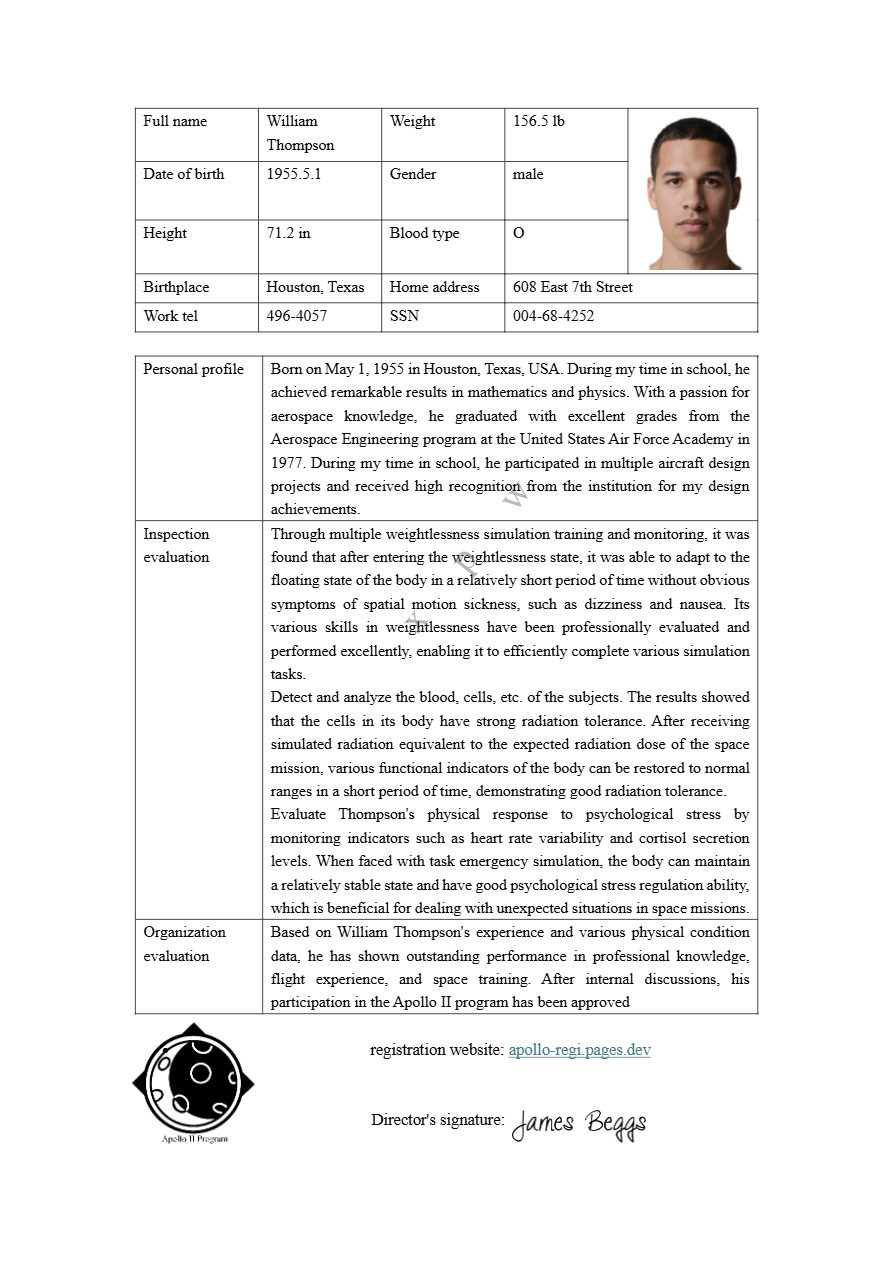
Astronauts such as William Thompson who participated in the plan will use pre deployed inflatable living quarters, solar arrays, and 3D printing equipment to build the "Lunar Outpost 1" base during the two month mission. The base is equipped with a radiation shielding layer, a water circulation system, and an experimental chamber, which can support continuous residency for 6 months. The NASA Administrator stated at the Houston Command Center, "This is no longer just a matter of raising the flag and leaving, but the first step towards a permanent human presence in space
It is worth noting that while our manned lunar landing has achieved a lot of success, the Soviet lunar program is still in the stage of unmanned exploration. Analysis suggests that the United States has won the key competition point in this round of space race. According to the plan, the first batch of rotating astronauts will arrive in May 1985, and the base will be expanded to accommodate six people.
Prospect
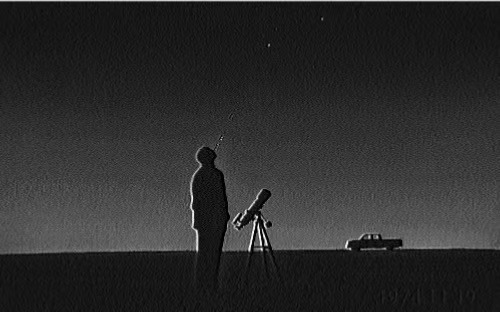
Since the birth Of human civilizaTion, people have been curious about the moon. Now, after thousaNds of years of gazing at the stars, tiny humans finAlly have a Chance to step into this mysterious realm.
However, human Ambition is not satisfied with just stepping foot. In order to achieve the long-term space Goal of comprehensive exploration of the solar system, humans must develop a base in space as the coordinate origin for deep space developmEnt.
The Apollo II program aimed to build the first human base on the moon as an expeditionary force for subsequent exploration projects. No matter how difficult the process may be, the United States, this beacon of humanity, will steadfastly lead people around the world and spread the flame of hope for humanity even further away.
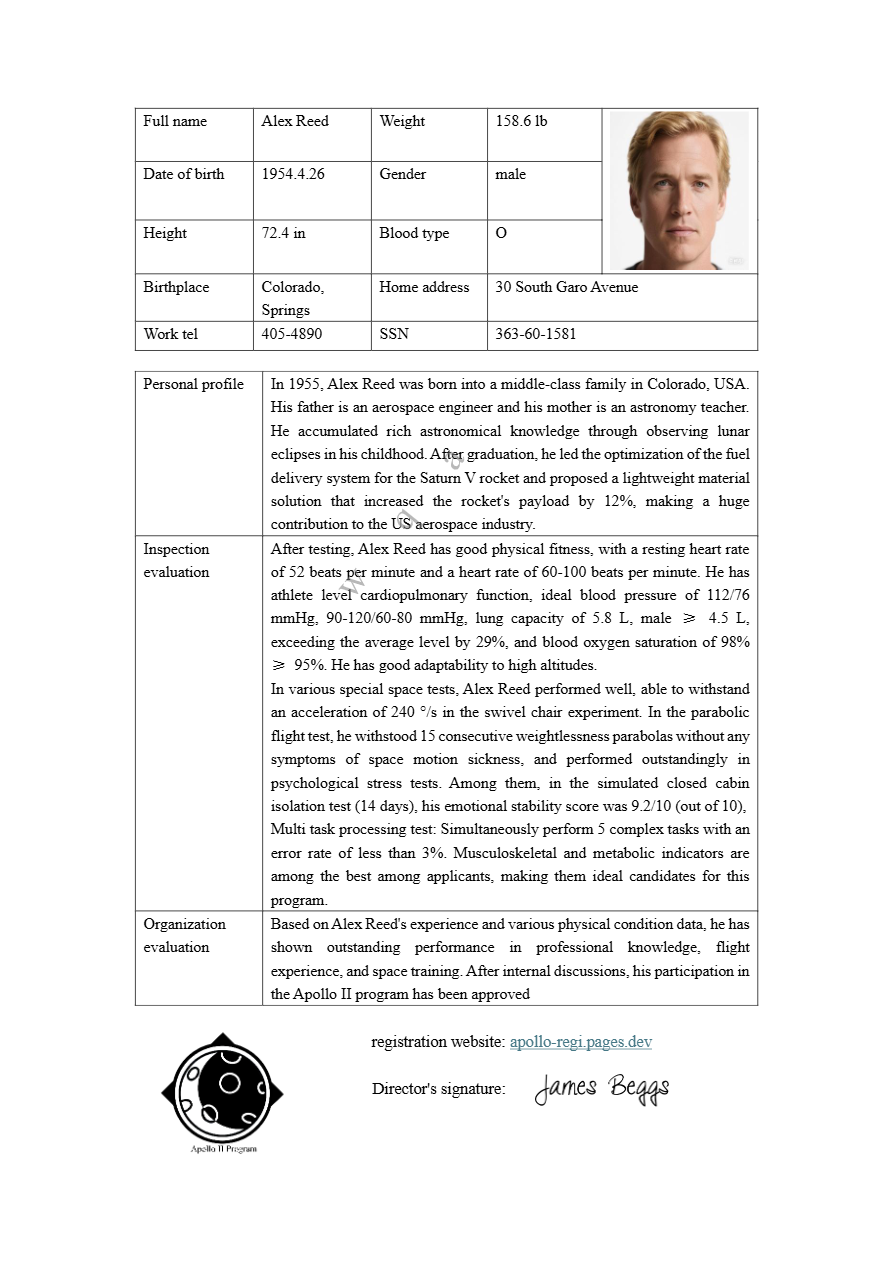
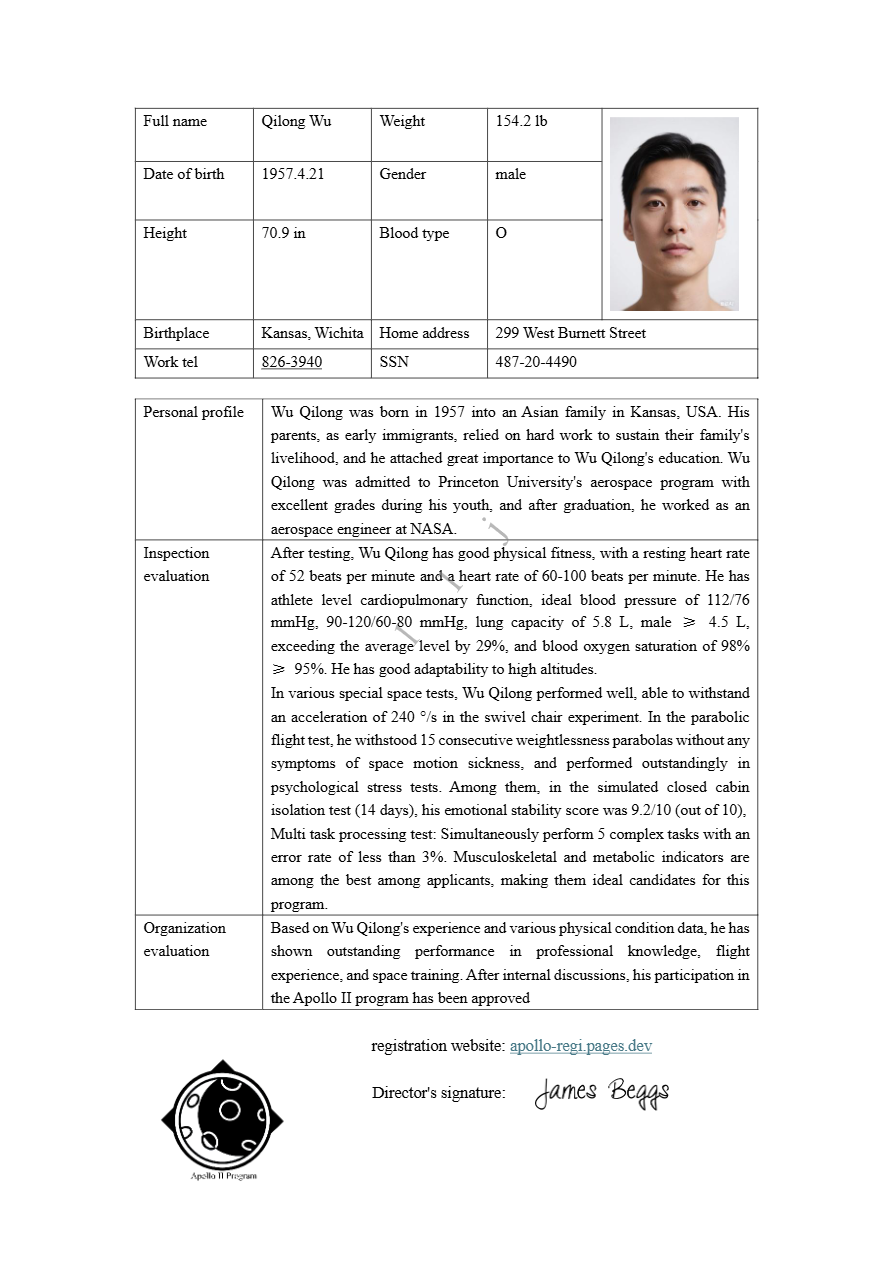
Personal Profile
I have been waiting here for a long time.
No matter who you are, you found this place with your own strength, right?
congratulations.
The plan has been declared bankrupt, and we lost contact with the lunar base yesterday.
To gain a more detailed understanding of the situation, we need you to rebuild communication with the base by accessing the main network.
Carefully reviewing your entire journey, you can find a word composed of nine letters.
Replace regi with it, and you can access the main network.
I will further introduce the next task to you there.
Related Events
Stanford University plans to strongly support the Apollo II program
Recently, Stanford University announced that it will provide important scientific and technological support for the highly anticipated Apollo II program, which has attracted widespread attention from the scientific and aerospace communities.
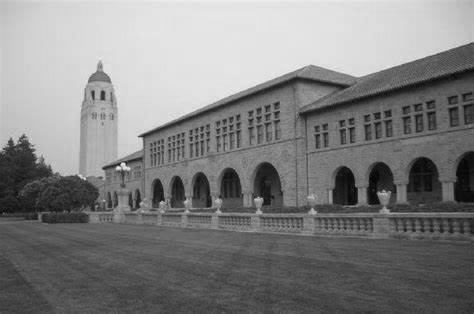
The Apollo II program, as a series of manned space missions to be carried out by NASA, has significant implications for space exploration and scientific and technological development. The current Apollo II program aims to further deepen research on the moon and expand the boundaries of human exploration in space based on previous achievements. Its goals include deeper lunar geological exploration, feasibility studies for long-term lunar base construction, and exploration of more efficient space transportation methods.
Stanford University has a profound foundation in the field of scientific research, especially in aerospace related disciplines where remarkable achievements have been made. The school has a top-notch research team and is at the forefront of multiple disciplines closely related to the Apollo II program, such as astrophysics, materials science, aerospace engineering, etc. For example, its astrophysics team has long been dedicated to the study of the moon and other celestial bodies, accumulating rich theoretical knowledge and practical experience; The new materials developed by the materials science team are expected to play a key role in spacecraft manufacturing and lunar base construction, improving the performance of spacecraft and the durability of base facilities; The aerospace engineering team has outstanding achievements in propulsion systems, orbit calculations, and other areas, providing accurate technical solutions for space transportation and spacecraft orbit planning.
In this collaboration, a research team from Stanford University will conduct research on the core issues of the Apollo II program. They will use advanced observation equipment and simulation technology to assist in more accurate selection of lunar exploration areas, provide detailed geological information for the actions of lunar rovers and astronauts, and provide reasonable site selection strategies for base construction through geological exploration; Developing special materials that are suitable for the lunar environment, for the manufacture of lightweight, sturdy, and multifunctional aerospace equipment; At the same time, optimizing the design of space transportation systems, improving energy efficiency, and reducing launch costs.
This cooperation is of great significance. On the one hand, Stanford University's research strength will inject strong impetus into the Apollo II program, enhance its scientific and feasibility, and promote human understanding of the moon and space to new heights. On the other hand, the Apollo II program also provided a unique practical platform for researchers at Stanford University, helping to further expand the boundaries of scientific research, cultivate top aerospace talents, and promote the development of related disciplines.
Application Form for Astronauts to Carry Personal Items (excerpt)
| Item name |
Reason |
Audit result |
| Guitar |
Astronaut No.1 applies for adjustment of base life. |
Accepted |
| Album |
Astronaut No.2 applies to record space life. |
Accepted |
| tj.hangneil's Record |
Astronaut No.3 applies to carry his favorite record. |
Accepted |
Attachment: Album Content (excerpt)